Why RS Academy Practical Training Works
We do not teach engineering solely from slides or blackboard diagrams. In compliance with Volume 07 (Practical Laboratory and Field Training System), learning follows a strict 4-step progressive loop: Master Demonstration → Guided Repetition → Unassisted Timed Execution → Planted Fault Isolation.
Master the complete building operational cycle: HVAC chillers, 415V electrical switchboards, plumbing booster pumps, fire alarm panels, and DG backup power.
Create, dispatch, prioritize, and close digital work order tickets according to strict Service Level Agreement (SLA) response and resolution time windows.
Formulate daily, weekly, monthly, quarterly, and annual PPM checklists for plant rooms to eliminate surprise equipment breakdowns.
Manage automatic mains failure (AMF) panels, fuel consumption logging, battery charger maintenance, and emergency power changeovers in under 30 seconds.
Operate jockey pumps, main electric fire pumps, diesel engine backup pumps, and pressure switches to maintain stable system pressure.
Manage hazardous waste disposal, environmental pollution norms, NBC fire life-safety standards, and vendor performance audits.
Standardized Academic Curriculum
Each module is structured to deliver an engineered result that the graduate can physically prove to prospective employers and clients.
Commercial building classifications, utility service entrance, building life safety norms, HVAC plant rooms, electrical substations, and plumbing riser distribution.
Demonstration of standard engineering logging: chiller log sheets, energy meter reading, transformer temperature checks, and water quality testing.
Supervised daily plant rounds, executing equipment shift handovers, verifying log records, and inspecting fire damper operation.
Conduct unassisted daily plant rounds across mock facility installations; detect intentionally simulated leaks, high temperatures, and electrical phase imbalances.
Field exposure at operating commercial complexes: shadowing chief engineers, auditing vendor maintenance quality, and observing critical generator changeovers.
Handling emergency breakdown calls, raising CMMS emergency tickets, dispatching technicians with required spares, verifying repair quality, and logging root cause analysis.
Managing tenant escalations, explaining utility outages transparently, conducting executive incident reviews, and providing uptime status reports.
Pass/fail safety gate: fire emergency protocols, chemical handling (chiller water treatment), elevator rescue procedures, and permit-to-work systems.
Calculating annual maintenance contract (AMC) budgets: comprehensive vs non-comprehensive contracts, spare parts inventory holding, and vendor SLA penalty terms.
Compiling certified facility log sheets, PPM schedules created, energy efficiency audit recommendations, and emergency drill completion records.
Evaluation covering equipment diagnostics, CMMS response drills, SLA compliance viva, permit-to-work issuance, and safety leadership.
Pathways toward Facility Executive, Assistant Facility Manager, Technical Services Manager, and corporate campus engineering roles.
Selected Hands-On Workbench Practicals
Every student is assigned a dedicated workbench and must achieve satisfactory evaluation on all safety-critical lab tasks before receiving course credentialing.
Execute standardized plant room shift log: record oil pressures, condenser temperatures, suction pressures, and line voltages.
Simulate utility blackout; verify AMF logic, battery crank, engine start, alternator voltage build, and bus transfer in <30 seconds.
Calibrate digital pressure transducers and mechanical pressure switches; balance expansion tank bladder pressure.
Conduct flow test on landing valves; verify automatic jockey pump start upon pressure drop, followed by main electric pump cut-in.
Simulate critical tenant HVAC complaint; log, dispatch, issue spare parts, rectify, sign off, and calculate MTTR metrics.
Test cooling tower water for TDS, pH, and hardness; calculate biocide and corrosion inhibitor dosing quantities.
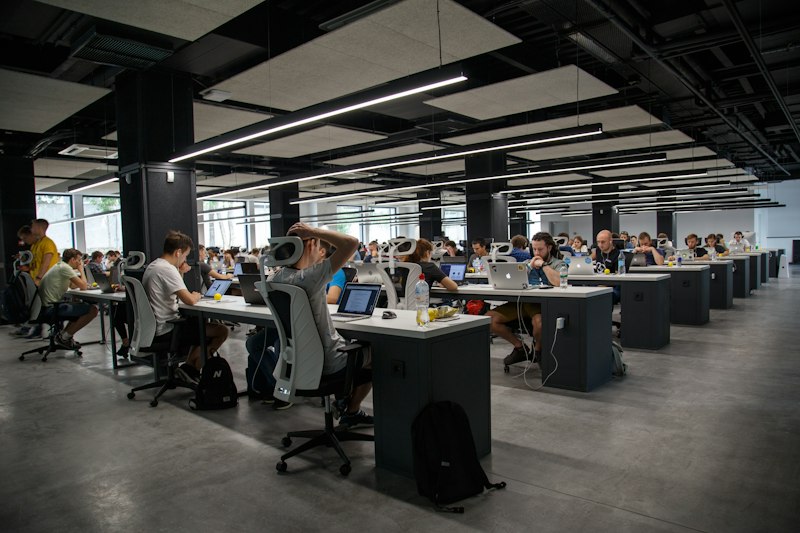
Real Commercial Project Visits
Under Volume 07, field training is delivered across 4 structured authority stages:
Book Campus Lab Walkthrough
Inspect the live equipment benches at our Patiala campus (Leela Bhawan) and discuss your technical background with a senior instructor.
Apply / Reserve Facility Mgmt Walkthrough →Takes 30 seconds on our unified Candidate Enrollment form (Facility Management pre-selected).